Frequently Asked Questions
Can TMJ pain be caused by braces?
TMJ pain can be caused by braces if the braces are not properly adjusted or if there is an underlying issue with the alignment of the jaw. It is essential to communicate any discomfort to your orthodontist to address and resolve the problem promptly.
Can braces fix TMJ pain?
Braces can help alleviate TMJ pain by correcting the alignment of the teeth and jaws, reducing stress on the temporomandibular joint. Orthodontic treatment can address underlying issues causing TMJ pain, improving jaw function and overall comfort. Consulting with an orthodontist is crucial for personalized treatment options.
Can braces help with TMJ?
Braces can help with TMJ by correcting the alignment of the teeth and jaws, which can alleviate TMJ symptoms caused by misalignment. Orthodontic treatment can improve the bite, reducing stress on the jaw joint and potentially relieving TMJ pain.
Do braces cause TMJ?
Braces do not directly cause TMJ (temporomandibular joint) issues. In fact, orthodontic treatment can often help alleviate TMJ problems by improving the alignment of the teeth and jaws. Properly aligned teeth can reduce stress on the jaw joints, potentially improving TMJ symptoms.
Can braces treat TMJ?
Braces can help treat TMJ issues by correcting the alignment of the teeth and jaws, which can alleviate TMJ pain and discomfort. Orthodontic treatment can improve the bite relationship, reducing strain on the jaw joints and muscles, leading to TMJ symptom relief.
Are braces and rubber bands associated with TMJ?
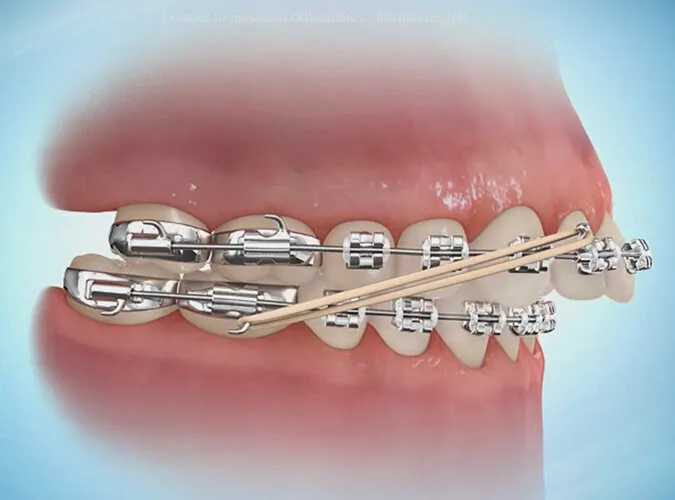
Braces and rubber bands can help alleviate TMJ issues by correcting the bite alignment, reducing strain on the jaw joint. Proper orthodontic treatment can address TMJ problems effectively.
Can TMJ be fixed with braces?
TMJ issues can be addressed with braces by correcting the alignment of the teeth and jaws, which can help alleviate TMJ pain and discomfort. Braces can help improve the bite and jaw relationship, reducing strain on the temporomandibular joint and potentially resolving TMJ problems over time.
Do braces help TMJ disorder?
Braces can help TMJ disorder by correcting the alignment of the teeth and jaws, which can alleviate stress on the temporomandibular joint. Orthodontic treatment may improve the bite, reducing TMJ symptoms in some cases. Consulting with an orthodontist is essential to determine the best course of action for TMJ treatment.
Can braces cure TMJ?
Braces can help alleviate TMJ symptoms by correcting the bite alignment, reducing strain on the jaw joint. However, braces alone may not cure TMJ completely; additional treatments like splints or therapy may be needed for comprehensive TMJ management.
Can braces correct TMJ?
Braces can help correct TMJ issues by aligning the teeth and jaws properly, reducing strain on the jaw joint. Orthodontic treatment can improve the bite, which may alleviate TMJ symptoms. However, specific cases may require additional treatments in conjunction with braces for optimal results.
Are braces or Invisalign better for TMJ?
In some cases, Invisalign can be better for TMJ issues as it allows for more comfortable movement. However, traditional braces may be necessary for severe cases requiring precise control. Consulting with an orthodontist is crucial to determine the best treatment option for individual TMJ conditions.
Can Invisalign fix overbite without rubber bands?
Invisalign can fix overbites without rubber bands in some cases. However, severe overbites or large jaw discrepancies may require traditional braces. A hybrid treatment approach may be possible, transitioning from braces to Invisalign once initial corrections are made. Consulting with an orthodontist is crucial for personalized treatment recommendations.
Does Invisalign use rubber bands?
Invisalign treatment may require the use of elastics (rubber bands) to correct bite issues. Elastics help align the teeth properly and improve bite functionality. Compliance with elastic wear is crucial for successful treatment outcomes.
Can you use rubber bands with Invisalign?
Elastics, not rubber bands, are used with Invisalign to fix bites. Invisalign aligners straighten teeth, while elastics correct the bite. It's crucial to follow the orthodontist's instructions for optimal results.
How do Invisalign rubber bands work?
Invisalign rubber bands, also known as elastics, help align the bite by guiding the teeth into the correct position. They play a crucial role in fixing underbites, overbites, and open bites. Consistent wear of these elastics is essential for proper bite alignment during Invisalign treatment.
What do rubber bands do for Invisalign?
Rubber bands, also known as elastics, play a crucial role in Invisalign treatment by helping to fix the bite alignment. They aid in correcting issues like underbites, overbites, and open bites, ensuring that the teeth fit and function properly. Compliance with wearing elastics is essential for successful treatment outcomes.
How often do you change rubber bands on Invisalign?
Rubber bands on Invisalign aligners should be changed every 7-10 days to maintain proper tension and effectiveness in shifting teeth. Regular changes help ensure treatment progress and prevent issues. Remember to follow your orthodontist's specific instructions for optimal results.
How to put in Invisalign elastics?
To put in Invisalign elastics, follow these steps:
Use clean hands to stretch the elastic over the hook of the aligner.
Hook the elastic on the corresponding hook on the other side.
Change elastics as directed by your orthodontist, typically every day.
How to put on rubber bands with Invisalign?
To put on rubber bands with Invisalign, follow these steps:
Place the rubber band on the hooks of your aligners.
Ensure the rubber bands are worn as instructed by your orthodontist.
Change the rubber bands regularly as directed for effective treatment.
Contact your orthodontist if you have any concerns or questions.
Can you wear rubber bands with Invisalign?
Yes, you can wear rubber bands with Invisalign in some cases. Rubber bands help correct bite issues while Invisalign aligns teeth. Your orthodontist will determine if this combination is suitable for your treatment plan. Follow their guidance for optimal results.
How do rubber bands work with Invisalign?
Rubber bands work with Invisalign by helping to correct the bite alignment. They aid in fixing underbites, overbites, or open bites, ensuring teeth fit and function properly. Compliance with wearing elastics is crucial for successful treatment outcomes.
How to put elastics on Invisalign?
To put elastics on Invisalign, follow these steps:
Remove your Invisalign aligners.
Stretch the elastic over the hooks on your aligners.
Position the elastics according to your orthodontist's instructions.
Replace your Invisalign aligners.
Wear elastics as directed for optimal results.
How long do you wear rubber bands with Invisalign?
Typically, rubber bands are not used with Invisalign aligners. Invisalign treatment focuses on using clear aligners to straighten teeth without the need for rubber bands. If rubber bands are necessary for your specific case, your orthodontist will provide guidance on how long to wear them.
Can I wear my Invisalign elastics only at night?
It is crucial to wear Invisalign elastics as prescribed by your orthodontist, typically throughout the day and night. Consistent wear is essential for effective treatment and achieving proper alignment. Compliance with wearing instructions will ensure optimal results and prevent treatment delays.
When do I get elastic for my Invisalign?
Elastics for Invisalign are typically used to correct bite issues. Your orthodontist will determine if elastics are needed during your treatment based on your specific case. It's essential to follow their guidance for optimal results.
How long does it take to see results from rubber bands with Invisalign?
Results from rubber bands with Invisalign can vary, but typically, patients start noticing changes within a few weeks to a couple of months. Consistent wear as directed by the orthodontist is crucial for optimal results.
Do you need elastic with Invisalign?
Yes, elastics are sometimes needed with Invisalign treatment, especially for cases involving bite correction or jaw alignment. They play a crucial role in ensuring proper bite function and alignment, working in conjunction with the aligners to achieve optimal results. It's essential to follow your orthodontist's instructions regarding elastic wear for successful treatment outcomes.
How to wear rubber bands and Invisalign at the same time?
To wear rubber bands and Invisalign simultaneously, follow these steps:
Place the rubber bands as instructed by your orthodontist.
Remove Invisalign trays when putting on rubber bands.
Reinsert Invisalign trays after securing rubber bands.
Ensure consistent wear of both for effective treatment.
Do rubber bands work better with Invisalign?
Rubber bands, also known as elastics, are crucial for fixing the bite in orthodontic treatment, regardless of whether you have braces or Invisalign. They play a significant role in aligning the teeth properly and ensuring they fit and function well. Compliance with wearing elastics is essential for successful treatment outcomes.
How to upright a tooth with elastics and Invisalign?
To upright a tooth using elastics and Invisalign, follow these steps:
Consult with an orthodontist for a personalized treatment plan.
Wear elastics as directed to correct the bite.
Use Invisalign aligners properly for tooth movement.
Attend regular appointments for adjustments and progress checks.
How often to change Invisalign elastics?
Invisalign elastics should be changed daily to maintain proper tension and effectiveness in shifting teeth. It is crucial to follow the orthodontist's instructions for optimal results and to ensure the treatment progresses as planned. Regularly changing the elastics helps in achieving the desired outcome efficiently.
What are Invisalign rubber bands for?
Invisalign rubber bands are used to correct bite issues by aligning the teeth properly. They play a crucial role in ensuring that the teeth fit and function well after treatment. Compliance with wearing these elastics is essential for successful orthodontic outcomes.
How important is it to wear elastics with Invisalign?
Wearing elastics with Invisalign is crucial for fixing your bite. While Invisalign straightens teeth, elastics ensure proper alignment and functionality. Compliance with elastic wear is essential for optimal treatment outcomes and overall bite correction.
How do Invisalign elastics work?
Invisalign elastics work by correcting the bite alignment in conjunction with the aligners. They help ensure the teeth fit and function properly, especially for underbites, overbites, or open bites. Compliance with elastic wear is crucial for successful treatment outcomes.
How to put rubber bands on Invisalign?
To put rubber bands on Invisalign, follow these steps:
Stretch the rubber band between the hooks on the aligners.
Ensure the rubber band is secure but not too tight.
Wear the rubber bands as instructed by your orthodontist for effective treatment.
Where do rubber bands on braces on Invisalign go?
Rubber bands on braces or Invisalign go from the upper teeth to the lower teeth, creating the necessary force to correct the bite alignment. They play a crucial role in fixing bite issues and ensuring proper functionality of the teeth and jaws.
How long do you wear elastics with Invisalign?
Elastics are typically worn with Invisalign aligners for a specific period, usually ranging from a few months to a year, depending on the individual's treatment needs. Compliance with elastic wear is crucial for achieving proper bite alignment and treatment success. It's essential to follow your orthodontist's instructions diligently to ensure optimal results.
How to put on Invisalign rubber bands?
To put on Invisalign rubber bands, follow these steps:
Start by placing the rubber bands on the hooks of your aligners.
Stretch the rubber bands to the corresponding hooks on the opposite aligner.
Ensure the bands are taut but not overstretched.
Wear the rubber bands as instructed by your orthodontist, typically 20-22 hours a day.
Remove the bands while eating or brushing your teeth, then reapply them.
How to put on your Invisalign elastics?
To put on your Invisalign elastics, follow these steps:
Use clean hands to stretch the elastic over the hook of the aligner.
Hook the elastic on the corresponding hook on the other side.
Ensure the elastic fits snugly but not too tight.
Wear elastics as directed by your orthodontist for effective treatment.
Do elastics move your teeth or jaw?
Elastics primarily move your jaw to correct your bite alignment. They help ensure your teeth fit together properly, improving functionality. Compliance with elastic wear is crucial for successful orthodontic treatment outcomes.
How often to change rubber bands Invisalign?
For Invisalign treatment, rubber bands should be changed daily to maintain proper alignment and bite correction. It is crucial to follow the orthodontist's instructions for optimal results. Regularly changing rubber bands ensures effective treatment progress and helps achieve the desired outcome.
Can braces help sleep apnea and TMJ?
Braces can help with TMJ issues by aligning the teeth and jaws, potentially reducing TMJ pain. However, braces alone may not directly treat sleep apnea. A comprehensive evaluation by an orthodontist is necessary to determine the best treatment plan for TMJ and sleep apnea concerns.
Do self-ligating braces fix TMJ?
Self-ligating braces can help with TMJ issues by aligning the teeth properly, potentially reducing TMJ symptoms. However, they may not directly fix TMJ problems. Consult with an orthodontist for personalized treatment options tailored to your specific TMJ condition.
Where to buy rubber bands for Invisalign?
You can purchase rubber bands for Invisalign at orthodontic offices, online orthodontic supply stores, or directly from the Invisalign website. It's essential to ensure you are buying the correct size and type recommended by your orthodontist for effective treatment.
Do elastics work with Invisalign?
Yes, elastics can work with Invisalign to help fix your bite issues. While Invisalign aligners straighten teeth, elastics are crucial for correcting the bite. Working together, they ensure teeth fit and function properly. It's essential to follow through with elastic wear for optimal results.
Can braces fix adult TMJ?
Braces can help alleviate TMJ symptoms in adults by correcting the bite alignment, reducing strain on the jaw joint. However, additional treatments may be needed depending on the severity of the TMJ condition. Consulting with an orthodontist is crucial for personalized treatment options.
How often to change Invisalign rubber bands?
Invisalign rubber bands should typically be changed every day to ensure proper alignment and effectiveness of the treatment. It is crucial to follow the orthodontist's instructions regarding the frequency of changing these rubber bands to achieve the desired results efficiently.
Can braces help TMJ disorder?
Braces can help TMJ disorder by correcting the alignment of the teeth and jaws, which can alleviate stress on the temporomandibular joint. Orthodontic treatment can improve the bite, reducing TMJ symptoms in some cases. Consulting with an orthodontist is essential to determine the best course of action for TMJ treatment.
Are elastics needed with Invisalign?
Yes, elastics are sometimes needed with Invisalign treatment to fix the bite properly. They play a crucial role in aligning the teeth and ensuring they fit and function well. Compliance with elastic wear is essential for successful treatment outcomes.
What are Invisalign elastics for?
Invisalign elastics are crucial for fixing the bite alignment issues that braces or aligners alone cannot address. They help ensure that the teeth fit and function properly, especially in cases of underbites, overbites, or open bites. Compliance with wearing elastics is essential for successful treatment outcomes.
Can you only wear Invisalign rubber bands at night?
Invisalign rubber bands should be worn as directed by your orthodontist, which may include wearing them during the day and night for effective treatment. Compliance with the recommended wear schedule is crucial for achieving optimal results in correcting your bite alignment.
How often should I change my Invisalign rubber bands?
Invisalign rubber bands should be changed daily to maintain proper alignment and effectiveness of treatment. It is crucial to follow the orthodontist's instructions for optimal results.
Can you reuse rubber bands for Invisalign?
Rubber bands for Invisalign should not be reused. It is crucial to use new rubber bands as instructed by your orthodontist to ensure proper alignment and effectiveness of the treatment. Reusing rubber bands can compromise the treatment outcome and may not provide the desired results.
Why do Invisalign elastics keep popping off?
Invisalign elastics may pop off due to improper placement, not wearing them as directed, or using the wrong size. Ensure they are fitted correctly, worn consistently, and replaced as needed to prevent them from coming off frequently. If issues persist, consult your orthodontist for guidance.
Can not wearing retainer after braces cause TMJ?
Not wearing a retainer after braces can potentially cause TMJ issues. Retainers help maintain the alignment achieved by braces, preventing teeth from shifting and impacting the jaw joint. Consistent retainer wear is crucial post-braces to avoid TMJ problems.
How do elastics work with Invisalign?
Elastics play a crucial role in Invisalign treatment by correcting the bite. While Invisalign aligners straighten teeth, elastics ensure proper alignment for a functional bite. Compliance with elastic wear is essential for successful treatment outcomes. Working with a trained orthodontist is key for effective Invisalign treatment.
Can braces fix TMJ?
Braces can help alleviate TMJ issues by correcting the alignment of the teeth and jaws, reducing strain on the temporomandibular joint. Orthodontic treatment can improve the bite, which may alleviate TMJ symptoms in some cases. However, the effectiveness of braces in treating TMJ varies depending on the individual's specific condition.
How to wear rubber bands with Invisalign?
When wearing Invisalign, follow these steps for rubber bands:
1. Attach rubber bands to hooks on aligners.
2. Wear them as directed by your orthodontist.
3. Remove them only to eat and brush.
4. Replace with new bands daily.
5. Consistent wear is crucial for effective treatment.
How to use rubber bands with Invisalign?
When using rubber bands with Invisalign, follow your orthodontist's instructions precisely. Place the rubber bands as directed to correct your bite alignment. Consistent wear is crucial for effective treatment. If unsure, consult your orthodontist for guidance.
Can TMJ affect braces?
Yes, TMJ can affect braces. Orthodontic treatment can help alleviate TMJ pain by correcting the alignment of the teeth and jaws. Braces can be used to address underlying issues contributing to TMJ problems, improving overall jaw function and reducing discomfort.
What is the purpose of elastics on Invisalign?
Elastics in Invisalign help fix the bite, ensuring teeth fit and function properly. They are crucial for correcting underbites, overbites, and open bites. Compliance with elastic wear is essential for successful treatment outcomes.
How often do I need to wear my elastics with Invisalign?
It is crucial to wear elastics consistently with Invisalign as prescribed by your orthodontist. Typically, elastics should be worn full time, only removing them to eat and brush your teeth. Compliance with elastic wear is essential for successful treatment outcomes.
Does Anthem pay for braces for TMJ?
Anthem may cover braces for TMJ treatment, but coverage varies. Contact Anthem directly or consult with an orthodontist who accepts Anthem insurance to determine coverage specifics. It's essential to verify coverage and understand any potential out-of-pocket costs before proceeding with treatment.
How does Invisalign look with rubber bands?
Invisalign aligners can be worn with clear rubber bands that are barely noticeable. The rubber bands are used to help correct bite issues and align the teeth properly. When worn correctly, the combination of Invisalign and rubber bands can effectively treat various orthodontic problems discreetly.
Is it okay to reuse my rubber bands for Invisalign?
It is not recommended to reuse rubber bands for Invisalign treatment. Fresh rubber bands are essential for effective tooth movement and bite correction. Reusing bands can compromise treatment outcomes and hygiene. Always follow your orthodontist's instructions for optimal results.
Do you wear rubber bands with Invisalign?
Elastics, not rubber bands, are used with Invisalign to correct bites. They play a crucial role in aligning teeth properly. Compliance with elastic wear is essential for successful treatment outcomes. If prescribed, it's important to follow instructions diligently for optimal results.
How long did you have to wear Invisalign elastics?
Invisalign elastics are typically worn for a specific duration determined by your orthodontist based on your individual treatment needs. The length of time can vary depending on the severity of your bite issues and how well you comply with wearing them as instructed. It is essential to follow your orthodontist's guidance for optimal results.
Are elastics included in the Invisalign comprehensive package?
Elastics are not typically included in the standard Invisalign comprehensive package. However, they may be required in certain cases to address specific bite issues. It's essential to follow your orthodontist's recommendations for the best treatment outcome.
How often to change rubber bands on Invisalign?
It is recommended to change rubber bands on Invisalign aligners daily to ensure proper alignment and effectiveness of treatment. Regularly changing the rubber bands helps maintain consistent pressure on the teeth for optimal results.
Can braces make TMJ worse?
Braces can help alleviate TMJ issues by correcting the bite alignment, reducing strain on the jaw joint. However, improper treatment or lack of follow-up care may potentially worsen TMJ symptoms. It's crucial to work with an experienced orthodontist who understands TMJ concerns to ensure proper management during treatment.
How long do you have to wear rubber bands with Invisalign?
Typically, rubber bands are not used with Invisalign aligners. Invisalign treatment focuses on using clear aligners to straighten teeth, eliminating the need for traditional braces and rubber bands. If elastics are necessary for your specific case, your orthodontist will provide guidance on when and how to wear them.
Are rubber bands necessary for Invisalign?
Elastics, not rubber bands, are crucial for Invisalign treatment. They help fix the bite, ensuring teeth align properly. Invisalign advancements have made treatment effective, but not suitable for all cases. Orthodontic care can address TMJ issues, improving jaw joint function. Phase 1 & 2 treatments focus on growth patterns and bite correction.
When will I notice changes from rubber bands with Invisalign?
Changes from rubber bands with Invisalign may be noticed within a few weeks to a couple of months, depending on individual treatment needs. Consistent wear as directed by your orthodontist is crucial for effective results.
Can getting braces cause TMJ?
Getting braces can help alleviate TMJ issues by correcting the alignment of the teeth and jaws. Properly aligned teeth can reduce strain on the jaw joint, potentially improving TMJ symptoms. However, in some cases, braces may initially cause mild discomfort as the teeth and jaws adjust, but this is temporary and part of the orthodontic process.
Can TMJ be cured with braces?
TMJ issues can be improved with braces by correcting the alignment of the teeth and jaws, reducing strain on the temporomandibular joint. However, braces alone may not cure TMJ completely, as other factors like stress and hormones can contribute to the condition. Orthodontic treatment can help alleviate TMJ symptoms but may not be a definitive cure.
How do rubber bands change your bite with Invisalign?
Rubber bands play a crucial role in adjusting your bite with Invisalign. They help align your teeth properly, ensuring they fit and function well. By wearing rubber bands as directed, you can achieve a straight and functional smile, enhancing the effectiveness of your Invisalign treatment.
Can you get braces for TMJ?
Orthodontic treatment can help with TMJ issues by addressing jaw alignment. Braces may be used to correct the bite discrepancy causing TMJ pain. Consult with an orthodontist to determine the best treatment plan for your specific TMJ condition.
Can braces cause TMJ?
Braces themselves do not cause TMJ issues. In fact, orthodontic treatment can often help alleviate TMJ problems by correcting the bite alignment. However, improper treatment or lack of follow-up care can potentially exacerbate existing TMJ conditions. It's crucial to work with a qualified orthodontist to address any concerns during treatment.
Can you get braces with TMJ?
Yes, orthodontic treatment can help with TMJ issues. Braces can be used to address TMJ problems by correcting the bite alignment, which can alleviate TMJ pain and discomfort. It's essential to consult with an orthodontist experienced in treating TMJ to determine the best course of action for your specific case.
Can braces correct TMJ and a lisp?
Braces can help correct TMJ issues by aligning the teeth and jaws, potentially reducing associated pain. However, braces alone may not address a lisp. Speech therapy or other interventions may be needed to improve speech impediments like lisps. Consulting with an orthodontist and speech therapist is recommended for comprehensive treatment.
Can you get braces due to TMJ?
Braces can be used to treat TMJ issues by correcting the alignment of the teeth and jaws, which can help alleviate TMJ symptoms. Orthodontic treatment may involve braces, aligners, or other appliances to address the underlying causes of TMJ problems. Consulting with an orthodontist is essential to determine the most suitable treatment plan for TMJ.
How does TMJ impact orthodontic choices?
TMJ issues can influence orthodontic decisions by affecting treatment options. Orthodontists consider the relationship between the teeth and jaw joints when planning care. TMJ pain or dysfunction may require specific interventions like bite splints or adjustments to align the jaw and teeth properly.
Why might TMJ symptoms worsen with braces?
TMJ symptoms can worsen with braces due to the initial adjustment period where the mouth and jaw are adapting to the new appliance. The pressure from braces can temporarily exacerbate TMJ discomfort, but proper orthodontic treatment aims to address underlying issues and improve jaw alignment over time.
Are TMJ treatments compatible with Invisalign?
Invisalign can be compatible with TMJ treatments, depending on the specific jaw issues. In some cases, Invisalign may not be suitable for severe TMJ problems, and traditional braces might be recommended. It's essential to consult with an orthodontist to determine the best treatment plan for your individual needs.
Whats the role of elastics in TMJ therapy?
Elastics play a crucial role in TMJ therapy by helping to correct the bite alignment, which can alleviate TMJ pain and discomfort. They aid in achieving proper jaw positioning, reducing strain on the temporomandibular joint, and improving overall jaw function. Compliance with elastic wear is essential for successful TMJ treatment outcomes.
Does TMJ influence Invisalign treatment duration?
TMJ issues can impact Invisalign treatment duration. If a patient has TMJ problems, it may require additional considerations and adjustments during treatment, potentially affecting the overall duration. Consulting with an orthodontist experienced in both Invisalign and TMJ can help address any concerns and ensure effective treatment.
How do braces align jaws with TMJ?
Braces align jaws by correcting the position of the teeth, which in turn helps to align the jaw. This alignment can alleviate TMJ issues by improving the overall bite and reducing strain on the jaw joint. Additionally, braces can help address any underlying structural problems contributing to TMJ pain.
Are Invisalign elastics necessary for TMJ cases?
Invisalign elastics are not typically used for TMJ cases. Treatment for TMJ issues involves addressing the jaw joint and bite alignment. Invisalign may not be suitable for cases requiring specific jaw adjustments. Consulting with an orthodontist is crucial for personalized treatment recommendations.
Do TMJ disorders require special Invisalign attachments?
TMJ disorders may require special Invisalign attachments depending on the severity of the condition. In some cases, traditional braces may be more suitable for addressing TMJ issues, as they provide better control over jaw movement and alignment. Consulting with an orthodontist is crucial to determine the most appropriate treatment plan.
When should TMJ patients start Invisalign?
TMJ patients should start Invisalign after consulting with an orthodontist to determine if it's suitable for their specific case. Invisalign can be an option for TMJ patients depending on the severity of their condition and the underlying causes.
Can TMJ be aggravated by Invisalign treatment?
Invisalign treatment can sometimes aggravate TMJ symptoms due to the movement of the teeth and potential changes in the bite. It's essential to work with an experienced orthodontist who can monitor and adjust the treatment to minimize any impact on TMJ issues. Regular communication with your orthodontist is key to addressing any discomfort or concerns during Invisalign treatment.
How does Invisalign therapy alleviate TMJ pain?
Invisalign therapy can alleviate TMJ pain by correcting the alignment of the teeth, which in turn helps to improve the overall bite and jaw function. This realignment can reduce stress on the jaw joint, leading to a decrease in TMJ-related discomfort and symptoms.
Can TMJ be solely treated with orthodontics?
TMJ can be treated with orthodontics in many cases. Orthodontic treatment can help alleviate TMJ pain by addressing issues related to the bite and jaw joint alignment. However, the treatment approach may vary depending on the individual's specific condition and needs. It's essential to consult with an orthodontist to determine the most suitable treatment plan for TMJ.
Is TMJ a common issue after braces?
TMJ issues can occur after braces due to changes in the jaw alignment. Orthodontic treatment can help alleviate TMJ problems by correcting the bite. It's essential to follow post-treatment care to prevent TMJ complications. Regular check-ups with an orthodontist can address any emerging TMJ concerns.
Do TMJ sufferers need a special Invisalign plan?
TMJ sufferers may require a customized Invisalign plan. In some cases, traditional braces may be necessary for complex jaw discrepancies. A trained orthodontist can determine the best treatment option based on individual needs. It's essential to address TMJ issues effectively during orthodontic treatment.
What specific features help Invisalign address TMJ?
Invisalign can help address TMJ by providing customized aligners that can adjust the position of the teeth, potentially improving the alignment of the jaw joint. The clear aligners are designed to fit comfortably and can aid in reducing stress on the jaw joint, potentially alleviating TMJ symptoms.
How to manage TMJ during Invisalign treatment?
During Invisalign treatment, managing TMJ involves proper bite alignment, stress reduction, and hormone level awareness. Orthodontic care can help alleviate TMJ pain by addressing jaw joint and teeth discrepancies. Consult with an orthodontist for personalized treatment options tailored to your specific needs.
Can TMJ complicate Invisalign orthodontic procedures?
TMJ issues can complicate Invisalign treatment. In some cases, patients with significant overbites or jaw discrepancies may not be suitable for Invisalign and may require traditional braces. It's crucial to consult with an orthodontist to determine the best treatment option for TMJ concerns during orthodontic procedures.
What advancements help Invisalign treat TMJ better?
Advancements in Invisalign technology have improved its ability to treat TMJ issues effectively. These advancements include better aligner materials, precision in tooth movement, and customization for individual patient needs. Invisalign can now address TMJ problems more efficiently and comfortably than before.
When do TMJ patients use Invisalign elastics?
TMJ patients may use Invisalign elastics when undergoing treatment to correct jaw alignment issues. These elastics help in adjusting the position of the jaw and teeth, aiding in alleviating TMJ-related discomfort and improving overall bite functionality.
Is TMJ relief quicker with braces or Invisalign?
TMJ relief can be quicker with braces as they provide more precise control over jaw alignment. Invisalign may be suitable for some cases but braces are often more effective for addressing TMJ issues due to their ability to make specific adjustments.
Are there TMJ-specific rubber bands for Invisalign?
TMJ-specific rubber bands are not typically used with Invisalign treatment. Invisalign aligners focus on teeth alignment, while TMJ issues may require a different approach. Consult with an orthodontist to determine the best treatment for TMJ concerns alongside Invisalign.
How do TMJ sufferers apply Invisalign elastics?
TMJ sufferers can apply Invisalign elastics by following their orthodontist's instructions carefully. These elastics help correct the bite alignment while minimizing TMJ discomfort. It's crucial to wear them consistently as part of the treatment plan to achieve optimal results and alleviate TMJ symptoms effectively.
What size rubber bands for TMJ Invisalign cases?
In TMJ Invisalign cases, the size of rubber bands used varies depending on the specific needs of the patient. Orthodontists will determine the appropriate size and type of rubber bands based on the individual's jaw alignment and treatment plan. It is crucial to follow the orthodontist's instructions regarding the size and wear of rubber bands for effective TMJ treatment with Invisalign.
Can nighttime wear of elastics help TMJ?
Nighttime wear of elastics can potentially help TMJ by aiding in aligning the teeth and improving the bite, reducing stress on the jaw joint. However, it's crucial to consult with an orthodontist for personalized advice and treatment options tailored to your specific TMJ condition.
Do Invisalign chewies assist TMJ patients?
Invisalign chewies can help TMJ patients by promoting proper alignment and reducing jaw discomfort. The chewies aid in seating the aligners correctly, potentially alleviating TMJ symptoms by improving the overall bite alignment during treatment.
Can TMJ therapy include Invisalign SmartForce attachments?
TMJ therapy can include Invisalign SmartForce attachments in some cases. These attachments can help address jaw alignment and bite issues while straightening teeth. However, the suitability of using SmartForce attachments in TMJ therapy should be determined by an orthodontic professional after a thorough evaluation of the individual's specific condition.
Should TMJ patients prefer Invisalign to traditional braces?
TMJ patients should consult with an orthodontist to determine the best treatment option. Invisalign may be suitable for some cases, but traditional braces are often more effective for addressing jaw alignment issues associated with TMJ. Each patient's needs vary, so a personalized treatment plan is essential.
How tight should TMJ patients Invisalign elastics be?
TMJ patients wearing Invisalign elastics should ensure they are snug but not overly tight. It's crucial to follow the orthodontist's instructions for optimal effectiveness without causing discomfort or pain. Adjust the elastics as directed to maintain proper alignment and alleviate TMJ symptoms effectively.
Does teeth clenching with TMJ affect Invisalign progress?
Teeth clenching with TMJ can impact Invisalign progress by potentially causing misalignment issues or discomfort. It's crucial to address TMJ concerns with your orthodontist to ensure proper treatment and alignment progress with Invisalign. Regular communication and adjustments may be necessary for successful treatment.
Are shorter Invisalign cycles better for TMJ sufferers?
Shorter Invisalign cycles can be beneficial for TMJ sufferers as they reduce the duration of treatment, potentially minimizing stress on the jaw joints. However, individual cases vary, so consulting with an orthodontist experienced in treating TMJ is crucial for personalized recommendations.
Can TMJ patients have accelerated Invisalign treatment?
TMJ patients can potentially undergo accelerated Invisalign treatment, but it depends on the severity of their TMJ issues. In some cases, Invisalign may not be suitable, and traditional braces or a hybrid treatment approach might be recommended to address both orthodontic and TMJ concerns effectively. It's crucial to consult with an orthodontist experienced in treating TMJ to determine the best course of action.
How do Invisalign aligners fit over TMJ appliances?
Invisalign aligners can be customized to fit over TMJ appliances, such as bite splints, comfortably. The aligners are designed to be removable, allowing patients to wear them alongside TMJ appliances without interference. This flexibility enables effective orthodontic treatment while addressing TMJ issues simultaneously.
Does Invisaligns SmartTrack material affect TMJ?
Invisalign's SmartTrack material does not directly affect TMJ. However, proper orthodontic treatment with Invisalign can help alleviate TMJ issues by improving the alignment of the teeth and jaw, reducing stress on the temporomandibular joint. It is essential to consult with an orthodontist to determine the best treatment for TMJ concerns.
How does Invisalign technology address TMJ discomfort?
Invisalign technology can help address TMJ discomfort by improving the alignment of the teeth, which can in turn alleviate stress on the jaw joint. Properly aligned teeth can lead to a more balanced bite, reducing strain on the TMJ and potentially easing associated pain and discomfort.
Do orthodontists prescribe different Invisalign plans for TMJ?
Invisalign plans for TMJ may vary based on individual cases. Orthodontists assess the severity of TMJ issues and determine if Invisalign is suitable. In some cases, traditional braces may be recommended for more complex corrections. Consulting with an orthodontist is crucial for personalized treatment recommendations.
Can wearing Invisalign help improve TMJ alignment?
Invisalign can sometimes help improve TMJ alignment by addressing underlying issues related to the bite and teeth alignment. However, it's essential to consult with a trained orthodontist to determine if Invisalign is suitable for your specific TMJ condition. TMJ problems are complex, and a personalized treatment plan is crucial for effective results.
What Invisalign features provide relief to TMJ sufferers?
Invisalign features like smooth aligners and customized treatment plans can provide relief to TMJ sufferers by reducing jaw joint stress and improving bite alignment. The aligners are comfortable and can help alleviate TMJ symptoms by promoting proper jaw positioning during treatment.
Does altering Invisalign schedules benefit TMJ patients?
Altering Invisalign schedules can benefit TMJ patients by allowing for adjustments to be made gradually, reducing stress on the jaw joint. This approach can help alleviate TMJ symptoms and improve overall treatment outcomes for patients with TMJ issues.
How does Invisaligns precision lessen TMJ distress?
Invisalign's precision aligns teeth properly, reducing jaw joint stress. This alignment helps alleviate TMJ discomfort by improving the overall bite and jaw relationship, leading to decreased strain on the temporomandibular joint.
Can Invisaligns predictability aid in TMJ treatment planning?
Invisalign's predictability can aid in TMJ treatment planning by allowing orthodontists to make precise adjustments to align the teeth and jaw joints properly. This can help alleviate TMJ pain and improve overall jaw function. Consulting with an orthodontist experienced in treating TMJ with Invisalign is crucial for effective treatment.
Are TMJ-related adjustments possible with Invisalign aligners?
TMJ-related adjustments are possible with Invisalign aligners in some cases. However, severe TMJ issues may require traditional braces. Invisalign can help align teeth and improve jaw function, but a trained orthodontist should assess the specific situation for the best treatment plan.
Do TMJ patients require more frequent Invisalign adjustments?
TMJ patients may require more frequent Invisalign adjustments due to jaw joint issues. It's essential to consult with an orthodontist experienced in treating TMJ to ensure proper alignment and comfort during treatment. Regular monitoring and adjustments may be necessary for optimal results.
How does Invisalign assist in relieving TMJ tension?
Invisalign can help relieve TMJ tension by aligning the teeth properly, reducing stress on the jaw joint. The customized aligners can improve the bite, reducing strain on the TMJ and potentially alleviating associated pain and discomfort.
What precautions do TMJ patients take with Invisalign?
TMJ patients using Invisalign should ensure proper alignment to avoid exacerbating jaw issues. Regularly communicate with the orthodontist about any discomfort or changes in symptoms. Follow recommended wear schedules and practice good oral hygiene to prevent additional stress on the jaw joint.
Do orthodontists have TMJ protocols for Invisalign?
Orthodontists have TMJ protocols for Invisalign treatment. In cases of TMJ issues, orthodontists can tailor treatment plans to address jaw joint problems while using Invisalign aligners. This approach ensures that both the teeth alignment and TMJ concerns are effectively managed during the orthodontic treatment process.
Does Invisalign offer an advantage for TMJ in adults?
Invisalign can offer advantages for TMJ in adults by helping align the teeth and jaw, potentially reducing TMJ symptoms. However, not all cases may be suitable for Invisalign treatment, especially if there are significant jaw discrepancies. Consulting with an orthodontist is crucial to determine the best treatment option for TMJ.
What bespoke Invisalign options are available for TMJ?
In cases of TMJ issues, bespoke Invisalign options may not be suitable due to jaw discrepancies. Traditional braces or hybrid treatments may be recommended by orthodontists to address these concerns effectively. It's crucial to consult with a trained professional to determine the best treatment plan for TMJ-related concerns.
Does Invisalign address TMJ issues differently than braces?
Invisalign and braces can both address TMJ issues by improving the alignment of the teeth and jaw. Invisalign may be suitable for mild cases, while braces are more effective for severe discrepancies. Both treatments aim to alleviate TMJ pain by correcting the bite alignment.
Can Invisalign alleviate TMJ symptoms faster than braces?
Invisalign can help alleviate TMJ symptoms, but the speed of symptom relief may vary. In some cases, Invisalign may provide faster relief due to its ability to address specific alignment issues efficiently. However, braces can also effectively treat TMJ problems by correcting jaw alignment. Consulting with an orthodontist is crucial to determine the best treatment option for individual TMJ cases.
Are TMJ-specific considerations important for Invisalign treatment plans?
TMJ-specific considerations are crucial for Invisalign treatment plans. Invisalign may not be suitable for patients with significant overbites or jaw discrepancies. Understanding the relationship between teeth and jaw joints is vital to prevent TMJ issues during treatment. Orthodontists can tailor hybrid treatments to address TMJ concerns effectively.